
Every couple wants a beautiful wedding. Deciding where to splurge vs save starts with the experience you want to create, not a checklist of extras.
But not every wedding expense creates the same impact.
One of the biggest mistakes couples make during wedding planning is spending heavily on details guests barely notice while underinvesting in the parts of the wedding that actually shape the overall experience.
At Icon Events, we’ve worked weddings everywhere from luxury Niagara-on-the-Lake vineyards and waterfront estates to destination celebrations and high-energy ballroom receptions. And after years of seeing what guests truly remember, one thing becomes very clear:
The most unforgettable weddings aren’t always the most expensive.
They’re the ones where couples spend intentionally.
If you’re trying to build a wedding budget without sacrificing the atmosphere and experience of your day, here’s where wedding professionals typically recommend splurging — and where you can often save without guests ever noticing.
Splurge: Photography & Videography
Your wedding day goes by incredibly fast.
Photography and videography are what allow you to relive it for years afterward.
The right creative team captures:
- emotional reactions
- candid moments
- guest interactions
- atmosphere
- movement
- energy
- storytelling throughout the day
Many couples initially question videography in particular — and later say it became one of their most treasured investments.
Décor trends fade.
Flowers disappear.
But your memories remain.
Save: Over-the-Top Wedding Favours
Wedding favours are often one of the least memorable parts of the day for guests.
Most guests care far more about:
- food
- music
- atmosphere
- comfort
- guest experience
Instead of spending heavily on customized trinkets that may get left behind, consider:
- edible favours
- late-night snacks
- charitable donations
- experience-focused upgrades
Small thoughtful gestures often feel more meaningful than expensive items guests never use.
Splurge: Entertainment & Guest Experience
Guests may forget the exact floral arrangements — but they absolutely remember how your wedding felt.
Entertainment shapes:
- energy
- atmosphere
- emotional flow
- guest interaction
- dance floor experience
- overall momentum throughout the night
This is one of the biggest areas where professional experience truly matters.
A skilled entertainment team helps create:
- seamless transitions
- emotional moments
- packed dance floors
- immersive atmosphere
- unforgettable guest experiences
And honestly? Guests talk about the party long after the wedding ends.
Save: Excessive Printed Details
Menus.
Programs.
Custom signage.
Welcome inserts.
Itinerary cards.
Specialty paper upgrades.
Beautiful stationery absolutely has value — but couples can easily overspend on printed details that guests only glance at briefly.
Modern weddings are increasingly simplifying printed materials while focusing more on atmosphere and intentional design.
A few thoughtfully designed statement pieces often create more impact than printing absolutely everything.
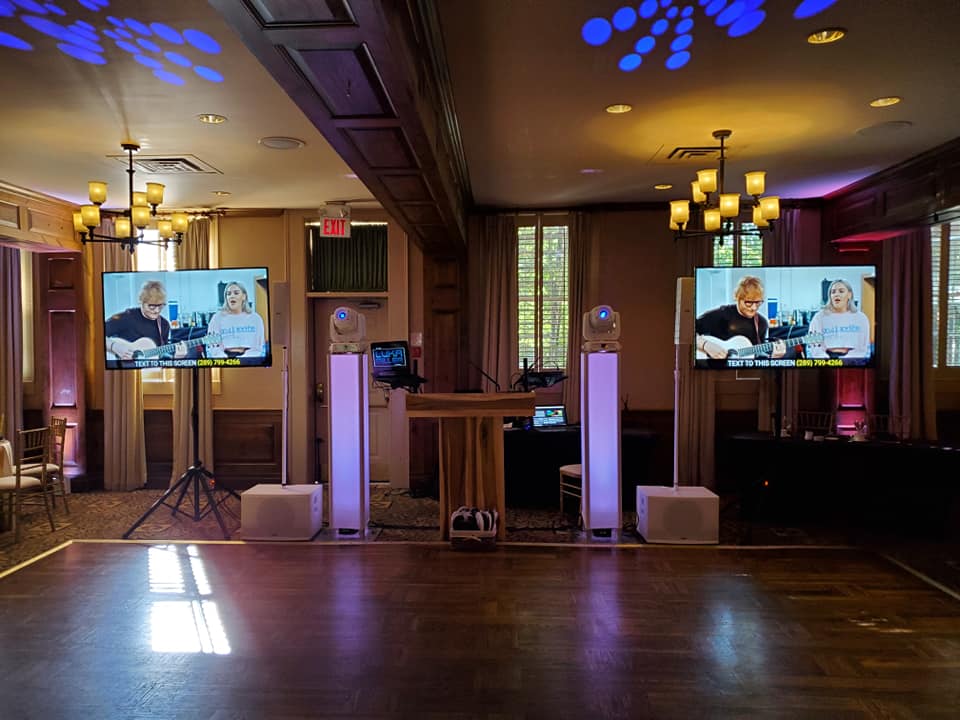
Splurge: Lighting & Atmosphere
Lighting is one of the most underestimated wedding investments.
It transforms:
- mood
- energy
- photography
- décor
- guest experience
- dance floor atmosphere
Even the most beautiful venue can feel flat without proper lighting design.
Warm uplighting, intelligent dance floor lighting, candlelight layering, and atmospheric production completely change how guests experience the space — especially once the reception begins.
This is often what creates that immersive “luxury wedding” feeling couples are trying to achieve.
Save: Trends You Don’t Actually Care About
Social media creates enormous pressure during wedding planning.
Couples often feel like they need:
- every trending décor feature
- every luxury upgrade
- every viral wedding idea
- every Pinterest-perfect detail
But trends only matter if they genuinely matter to you.
Before finalizing your splurge vs save choices, compare each quote’s full scope, payment schedule, and cancellation terms. Ontario’s guide to signing or cancelling a contract is a useful starting point for understanding agreements before you commit.
One of the smartest ways to protect your wedding budget is focusing on:
- your priorities
- your relationship
- your guest experience
- the atmosphere you want to create
Not every trend deserves a place in your wedding.
Splurge: A Comfortable Guest Experience
Guest comfort directly impacts how enjoyable your wedding feels.
Important investments may include:
- proper seating
- climate control
- quality food and bar service
- transportation
- smooth timelines
- thoughtful flow between spaces
- comfortable lounge areas
When guests feel relaxed and cared for, the entire atmosphere becomes more enjoyable and energetic.
That energy becomes contagious.
Save: Trying to Impress Everyone
One of the fastest ways to overspend is trying to create a wedding that pleases absolutely everyone.
Your wedding does not need to:
- follow every tradition
- impress social media
- compete with other weddings
- include every possible upgrade
The most memorable weddings usually feel intentional, personal, and emotionally authentic — not overproduced.
Spend money on what genuinely matters to you as a couple.
That’s where weddings start feeling meaningful instead of performative.
Splurge vs Save: Focus on the Experience, Not Just the Aesthetic
At the end of the day, weddings are about creating memories — not just visuals.
Guests remember:
- emotional moments
- atmosphere
- energy
- connection
- music
- celebration
- how the experience made them feel
The smartest splurge vs save decisions prioritize the parts of the day that shape those memories most strongly.
Because the weddings people never stop talking about aren’t necessarily the ones with the biggest budgets.
They’re the ones that felt unforgettable.
Splurge vs Save: Frequently Asked Questions
What should couples splurge on for a wedding?
Photography, videography, entertainment, lighting, and guest experience are often considered the most worthwhile wedding investments.
Where can couples save money on weddings?
Wedding favours, excessive printed details, unnecessary trends, and overly customized décor are common areas where couples can reduce spending.
What do wedding guests remember most?
Guests typically remember atmosphere, energy, food, music, emotional moments, and the overall experience more than small details.
Is wedding entertainment worth the investment?
Absolutely. Entertainment directly affects guest energy, dance floor experience, and the overall atmosphere of the reception.
How do you create a luxury wedding without overspending?
Focus spending on atmosphere, lighting, guest comfort, and immersive experiences instead of trying to include every trend or upgrade.
Create a Wedding Experience Guests Will Never Forget
At Icon Events, we believe unforgettable weddings are built around atmosphere, emotion, and guest experience — not simply oversized budgets.
From immersive entertainment and elevated lighting design to seamless event flow and packed dance floors, we help couples create celebrations that feel intentional, elevated, and unforgettable.
Because the best weddings don’t just look beautiful.
They feel unforgettable.